Book a Visit → Call (08) 8443 7634
About Services Dental Implants All-on-4 / All-on-6 Sedation Dentistry Wisdom Teeth General Dentistry Cosmetic Dentistry Teeth Whitening Children's Dentistry Emergency Dental Dental Checkups Root Canal Veneers Our Dentists Dr Katherine Rao Dr Alex Furlan Dr Katherine Fang Contact
Restorative Dentistry

Root Canal Treatment

Root canal treatment at Lockleys Dental Clinic. Dr Katherine Fang has a special interest in endodontics. Sedation options available for anxious patients.
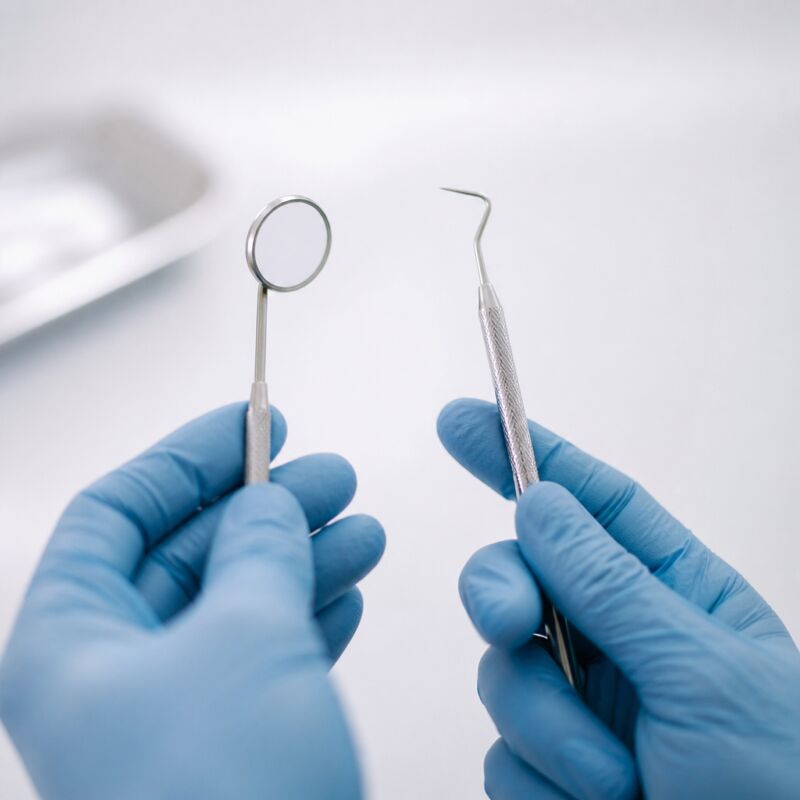
Root Canal Treatment
Save your tooth Avoid extraction
Local anaesthetic Comfortable procedure
1–2 visits Depends on complexity
Sedation available For anxious patients

It's not as daunting as you've heard

Root canal treatment has a reputation that's far worse than the reality. With modern techniques and effective local anaesthetic, most patients find the procedure no more uncomfortable than having a filling placed. The goal is to relieve your pain — not cause it.

At Lockleys Dental Clinic, Dr Katherine Fang has a particular interest in root canal treatment (endodontics). If you've been told you need a root canal, or if you're experiencing significant tooth pain, swelling, or prolonged sensitivity, contact us promptly — early assessment generally makes for simpler treatment.

What is root canal treatment?

Inside each tooth is a space called the root canal, which contains the pulp — the soft tissue housing the tooth's nerves and blood vessels. When bacteria enter this space through deep decay, a crack, or a leaking filling, the pulp can become infected or inflamed, causing significant pain.

Root canal treatment removes the infected or damaged pulp, carefully cleans and shapes the canal, and seals it to prevent reinfection. This allows you to keep your natural tooth rather than having it extracted — generally the preferred outcome, as preserving natural teeth supports long-term jaw health.

Signs you may need root canal treatment

  • Severe, persistent toothache — especially when biting or applying pressure
  • Prolonged sensitivity to heat or cold that lingers after the source is removed
  • Darkening or discolouration of the tooth
  • Swelling or tenderness in the gum near the affected tooth
  • A pimple-like bump on the gums (often a sign of abscess)
  • Deep decay or a large cavity that has reached the nerve

These symptoms don't always confirm you need a root canal — only an examination and X-rays can determine that. If you're experiencing any of the above, book an assessment so we can identify the cause and discuss your options.

What to expect during the procedure

Numbing the area

Your dentist begins by thoroughly numbing the tooth and surrounding area with local anaesthetic. The tooth itself is often already quite tender before treatment, so effective pain control from the start is the priority. You should feel pressure and movement during the procedure, but not pain.

Accessing and cleaning the canal

A small opening is made in the crown of the tooth to access the root canals. Using precision instruments, Dr Fang carefully removes the infected or inflamed pulp, then cleans and shapes the canal walls to remove bacteria and debris.

Sealing the tooth

Once cleaned, the canal is filled with a biocompatible material and sealed to prevent reinfection. Treatment may be completed in one or two visits depending on the number of canals and how straightforward the infection is.

Crown placement

After root canal treatment, the tooth is typically more brittle and vulnerable to fracture. A crown is usually recommended to protect the tooth and restore it to full function. We'll discuss this as part of your overall treatment plan.

Sedation for anxious patients

If dental anxiety makes the thought of root canal treatment feel overwhelming, we have options. Nitrous oxide (happy gas) is available to help you feel calm and relaxed during the procedure. For patients with severe anxiety, IV sedation performed by Dr Alex Furlan means you can be comfortably sedated throughout — you'll have little or no memory of the appointment.

Talk to us about your concerns when you book. We'll find an approach that works for you.

Aftercare

Some tenderness in the days following treatment is normal and can be managed with over-the-counter pain relief such as ibuprofen or paracetamol as directed. Avoid biting hard foods on the treated tooth until your crown is in place. Most patients return to normal activities the next day.

Frequently asked questions

Modern root canal treatment, performed under local anaesthetic, is not the painful experience it's often imagined to be. Most patients report that the procedure was much more comfortable than they expected. The pain you feel before treatment — from the infected tooth — is typically far worse than the procedure itself. If at any point during treatment you feel more than pressure or mild discomfort, tell your dentist immediately.
Most root canals are completed in one or two appointments, depending on the complexity of the tooth's root system and the extent of infection. Single-rooted teeth (like front teeth) are often completed in one visit; multi-rooted teeth like molars may require two. We'll give you a realistic estimate at your assessment.
Extraction is an option, but removing a tooth has consequences — adjacent teeth can shift, biting function is reduced, and jawbone density can be lost over time in that area. Replacing an extracted tooth with an implant or bridge adds cost and further treatment. Where possible, preserving your natural tooth is usually the preferred long-term approach. We'll discuss both options honestly so you can make the decision that's right for you.
Root canal treatment is not covered by Medicare for adults. If you hold private health insurance with major dental extras, a portion of the cost may be claimable depending on your policy. We're preferred providers with Bupa, NIB, and HCF, which may increase your rebate if you hold cover with these funds. Contact your insurer before your appointment to understand your entitlements.
A dental infection will not resolve on its own. If left untreated, the infection can spread to surrounding bone and soft tissue, and in rare cases can become a serious health issue requiring hospitalisation. Pain may temporarily subside if the nerve dies, but this does not mean the infection has cleared. We strongly encourage prompt assessment for any suspected tooth infection.
Ready when you are

Ready to book your visit?

Whether it's a routine check-up or something more complex, our team is here to help. Call us or drop in — we're on Henley Beach Road.

(08) 8443 76346/392 Henley Beach Road, Lockleys SA 5032 Mon, Tue, Thu, Fri 9am–5pm · Wed Closed